
Being an Author Year 2 and Key stage 2 shared reading
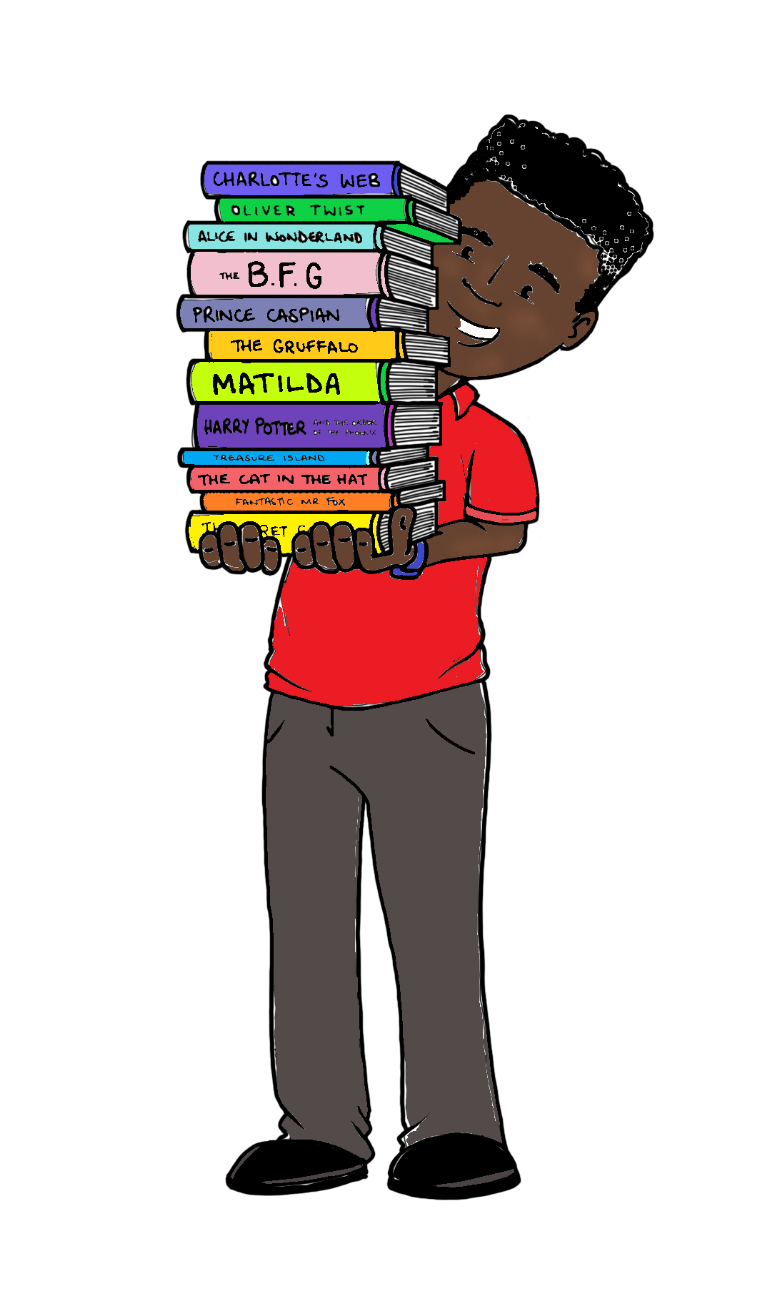
Our shared reading curriculum is built around a carefully sequenced range of high-quality, age appropriate texts using Literacy Counts’ Ready Steady Read Together units of learning. This resource provides dynamic and inclusive lessons that incorporate metacognitive strategies and showcase diverse literature from a range of exceptional authors. It aims to inspire children and
their families to develop a lifelong love of reading for pleasure, knowledge and information.
We intend that all pupils from Year 2 to Year 6, regardless of need, ability or background, have the opportunity to meet and where possible exceed the National Curriculum expectations for reading comprehension. Ready Steady Read Together ensures that every pupil has access to high-quality texts, enabling them to experience rich literature that develops fluency, vocabulary and
deep understanding. Through explicit teacher modelling of expression, pace, intonation and prosody, children learn how skilled readers bring meaning to a text and how these features support comprehension.
Shared reading also provides regular opportunities for discussion, questioning, drama and exploration of language. These approaches deepen comprehension while strengthening oracy skills.
Crucially, our shared reading curriculum ensures that every child, regardless of their decoding ability, can access ambitious texts, engage meaningfully with literature and develop the habit of reading widely and often for both pleasure and learning.
Shared reading policy
INTENT
Our shared reading curriculum is built around a sequence of high-quality, age-appropriate texts, using Literacy Counts’ Ready Steady Read Together units of learning. This resource provides dynamic and inclusive lessons that integrate metacognitive strategies and feature diverse literature from exceptional authors. It aims to inspire children and families to develop a lifelong love of reading for pleasure, knowledge and information.
The intent is that all pupils, from year 2 to year 6, regardless of their needs, abilities or background, have opportunities to meet, and where possible exceed, the National Curriculum expectations for reading comprehension. Ready Steady Read Together gives every pupil access to high-quality texts, enabling them to experience literature that develops fluency, vocabulary and understanding. Through teacher modelling of expression, pace, intonation and prosody, children learn how skilled readers bring meaning to a text and how these features support comprehension. Shared reading also creates opportunities for discussion, questioning, drama and exploration of language, which deepen comprehension whilst enhancing oracy skills. Crucially, it ensures that every child, regardless of their decoding ability, can engage with ambitious texts and develop the habit of reading widely and often for both pleasure and learning.
IMPLEMENTATION
Organisation and Curriculum Coverage
All reading units are built around engaging, vocabulary-rich texts and provide a wealth of opportunities for reading, discussion and metacognition. Each unit follows a clear sequence of learning episodes, supports vocabulary development in context and includes structured opportunities for retrieval, fluency and strategy modelling and discussion. Gamification elements and interactive low-stakes quizzes link directly to the KS1 (Year 2) and KS2 (Years 3–6) reading content domains, reinforcing understanding while ensuring progression through the National Curriculum. Progression is actively embedded within teaching to build comprehension skills, word reading, understanding of terminology and knowledge of the content domains step by step, ensuring consistency and clarity across the year groups.
Management and Staff Development
The school has implemented Ready Steady Read Together by establishing a clear management structure with designated leads within the Senior Leadership Team (Insert names). All staff have received specific Ready Steady Read Together training and the principles of successful implementation are applied consistently across the school. Senior leaders draw on the leadership materials to monitor, review and evaluate strengths and identify next steps. Timetables are reviewed regularly to ensure the effective deployment of support staff. The school ensures the environment supports shared reading, provides scaffolding for all children to succeed and fosters a positive reading culture. Five explicit Ready Steady Read Together lessons are delivered each week, each lasting 40 minutes.
Information from the Teacher Reading Audit, Pupil Voice and other leadership documentation is used to identify further CPD needs and is reviewed regularly to maintain staff confidence in delivering the highest quality shared reading lessons.
Resources and Planning
Each class has specific Ready Steady Read Together vehicle texts with suggested supplementary books to support the themes and encourage reading for pleasure. Lesson plans, resources and leadership guidance are provided through the online membership homepage. Teaching is supported with structured questions and answers that enable teachers to model, scaffold and extend pupils’ understanding so that all children can access and engage with texts effectively. The shared reading curriculum is mapped through the Progression Overview documents and units include all resources required to deliver dynamic and inclusive lessons.
Assessment
Teachers use daily formative assessment through observation, questioning and feedback to stretch and challenge pupils and to identify those who need additional support. In addition to this feedback, a low-stakes quiz is completed in the fifth lesson each week, giving children the opportunity to apply the strategies and skills they have been developing.
Throughout the academic year three PIRA assessments are carried out in each year group, followed by gap analysis. The data highlights strengths and weaknesses across the content domains. By identifying next steps, the tool helps teachers and leaders target teaching and explicitly model the required skills and strategies in subsequent lessons. Subject leaders analyse termly data and address areas for development. Attainment, progress and barriers to learning are reviewed in half-termly pupil progress meetings, where clear actions are agreed to close gaps, particularly for pupils in the bottom 20%.
Inclusion
‘If you get it right for the most disadvantaged and vulnerable, you get it right for everyone.’ (Sir Martyn Oliver, His Majesty’s Chief Inspector at the Office for Standards in Education, Children’s Services and Skills, March 2025).
Ready Steady Read Together is aspirational for every child. It ensures that all pupils, including those with barriers such as dyslexia who may struggle with fluency and independent reading, are given opportunities to develop their comprehension of challenging texts with scaffolded support. Children who face language barriers, such as those with English as an additional language, benefit from accurate English modelling, peer collaboration, dual coding, scaffolded speaking and listening activities and the use of technology to aid comprehension. For pupils with special educational needs, the programme provides guidance and advice through suggested intervention, scaffolds and breakdown strategies.
Ready Steady Read Together: Go includes scaffolding for fluency and comprehension, explicit instruction in breakdown reading strategies and guidance on flexible groupings to ensure appropriate challenge and peer support. It also advises on activities and interventions at Wave Two and, where necessary, Wave Three interventions.
Confident readers are encouraged to deepen their understanding, explore a wide range of literature and develop higher-order thinking, with units adapted to provide additional challenge where appropriate.
Optional activities are also suggested, making Ready Steady Read Together a highly valued resource within the school that enriches teaching, supports inclusion and raises the profile of reading across the whole community.